Series

Zero to Top AI Engineer (2026): Full Series Plan

Want to become an AI engineer in 2026 but not sure where to start? This 79-post series takes you from Python and CS fundamentals through math, ML, transformers, LLM apps, RAG, agents, evals, and production, with hands-on projects and career advice along the way.
28 articles Created Oct 2026
Zero to Top AI Engineer (2026): Full Series Plan

79 posts in two tracks. The Programming Track (Phase 1) is deep and optional for experienced developers. The AI Track (Phases 2 to 9) is the core.

Tags used in Phase 1: (core) = everyone reads it, (skippable) = skip if you already know it, (optional) = nice to have.

Phase 0: Orientation

  1. What Is an AI Engineer in 2026? AI engineer vs ML engineer vs data scientist vs research scientist

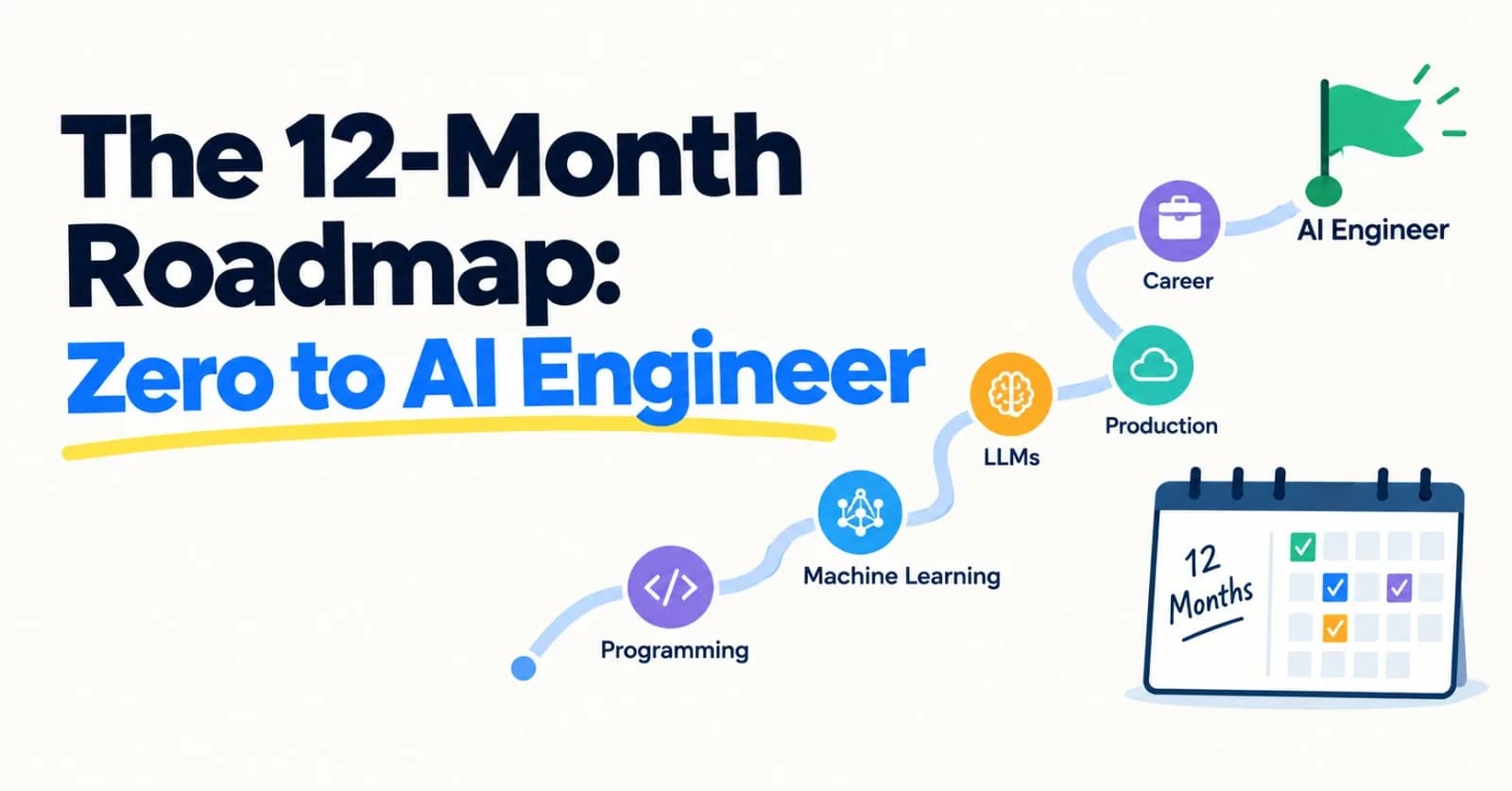
  2. The 12-Month Roadmap: the whole series at a glance, with reading paths and a week-by-week plan

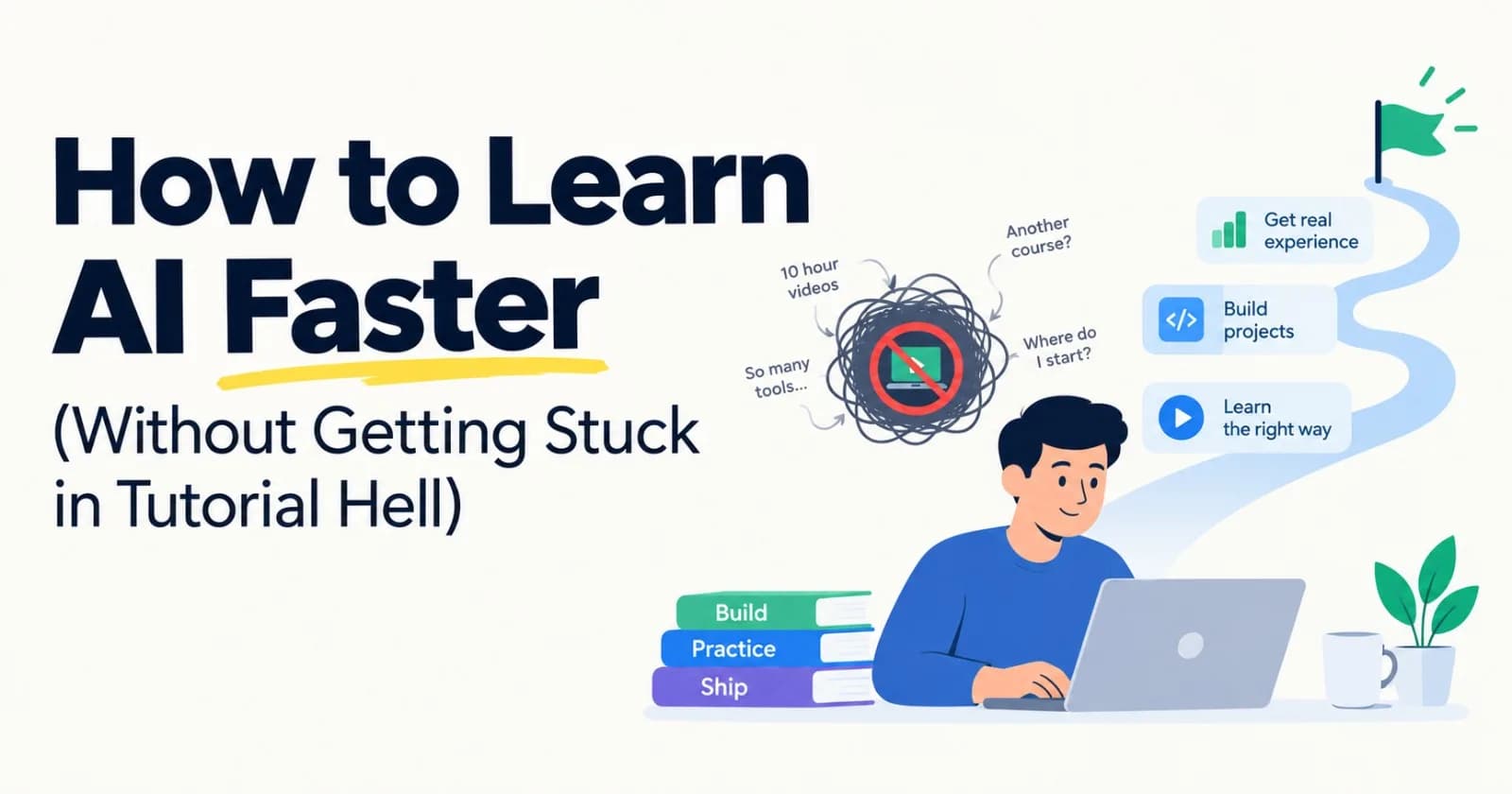
  3. How to Learn AI Faster: using AI as a tutor, building in public, avoiding tutorial hell


Phase 1: Programming in Depth

Track A: Python, Properly

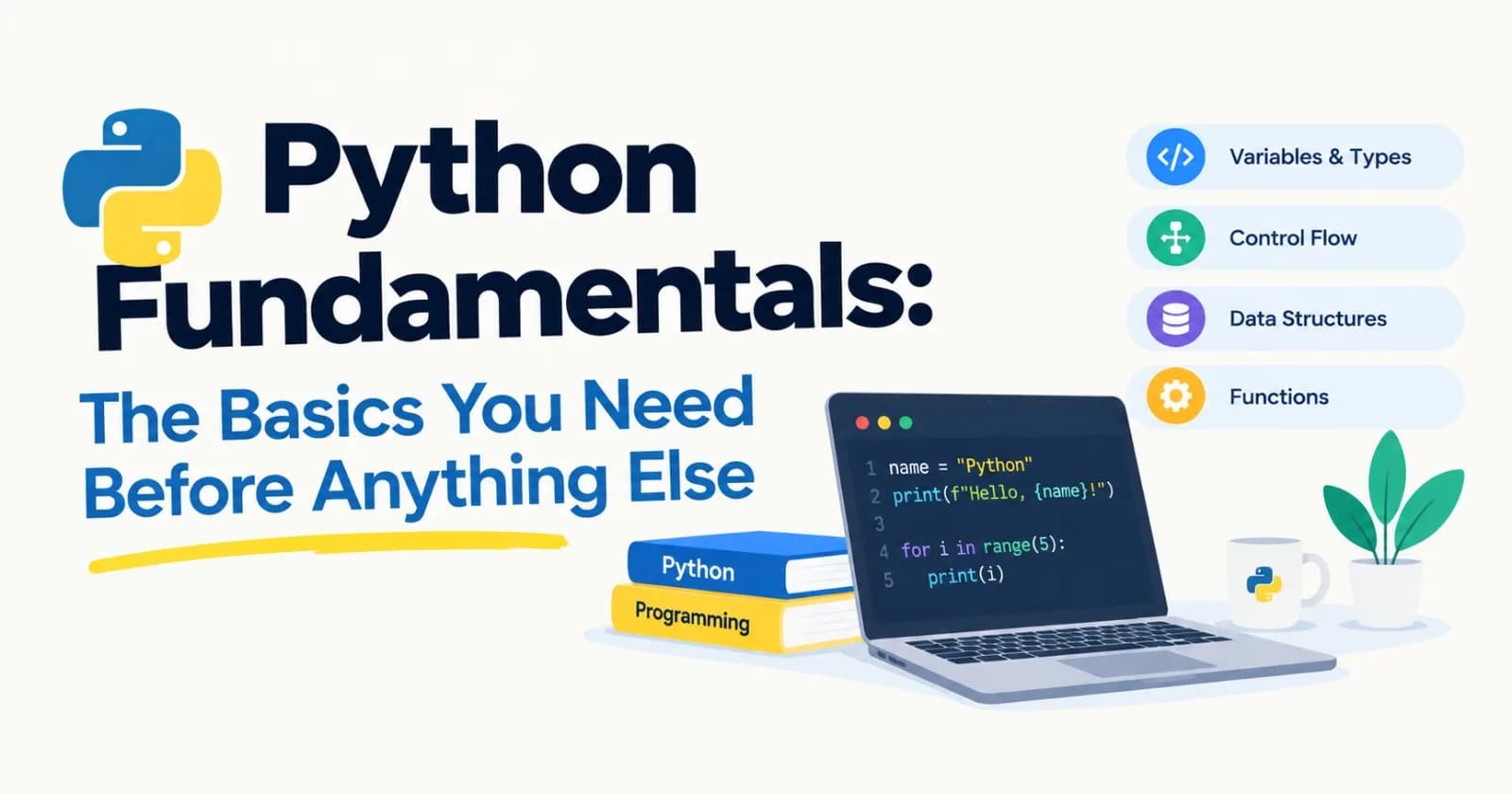
  1. Python Fundamentals: variables, types, control flow, how Python executes code (skippable)

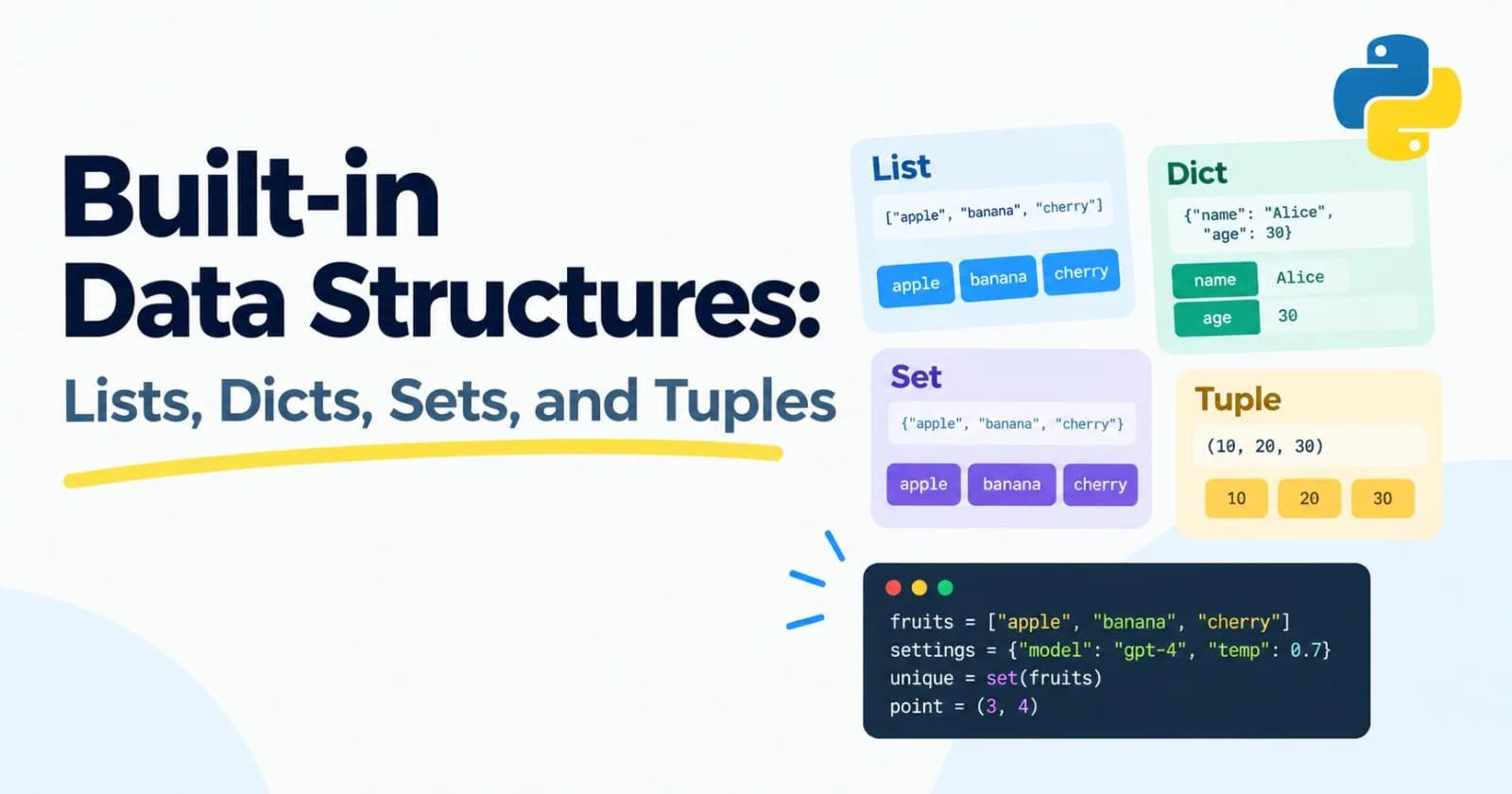
  2. Built-in Data Structures: lists, dicts, sets, tuples, and their time complexity (skippable)

  3. Functions in Depth: scope, closures, *args/**kwargs, lambdas, higher-order functions (core)

  4. Iterators, Generators & Comprehensions: the backbone of data pipelines and streaming LLM output (core)

  5. Decorators & Context Managers: how FastAPI and PyTorch use them (core)

  6. OOP the Practical Way: classes, dataclasses, composition vs inheritance, protocols (core)

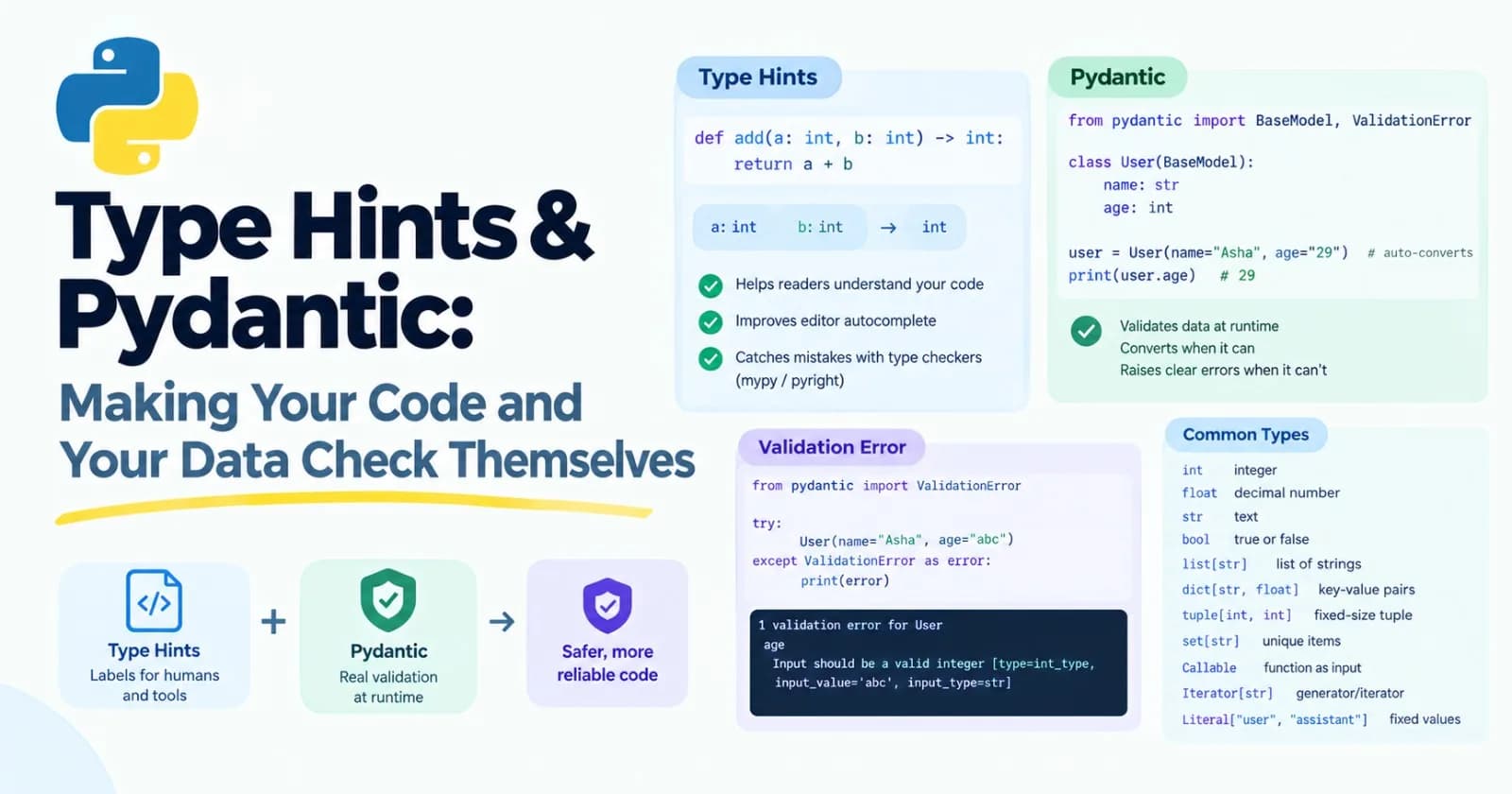
  7. Type Hints & Pydantic: why modern AI code is typed, and how structured outputs depend on it (core)

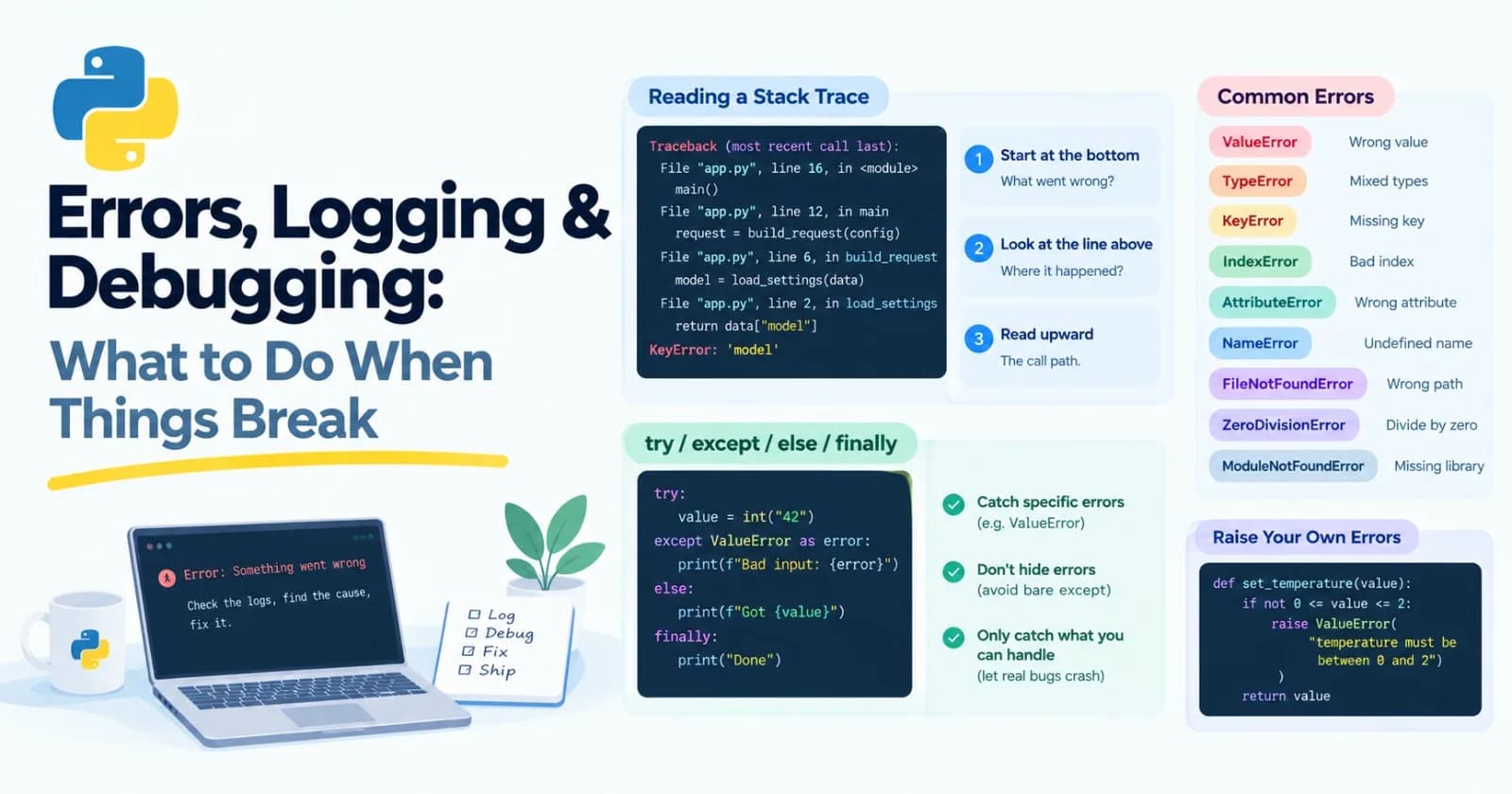
  8. Errors, Logging & Debugging: exceptions, retries, pdb, reading stack traces (core)

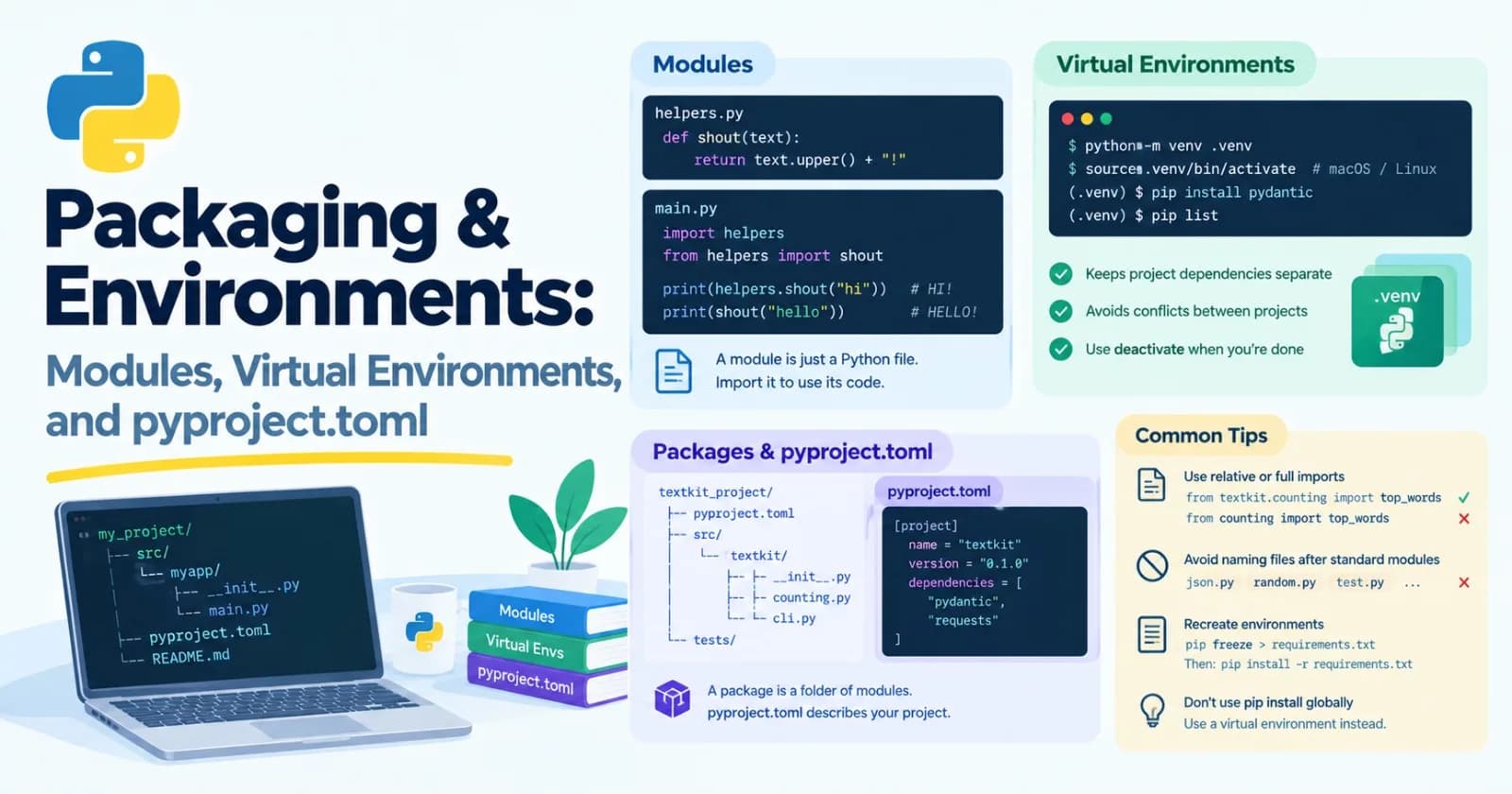
  9. Packaging & Environments: modules, pyproject.toml, uv/pip (core)

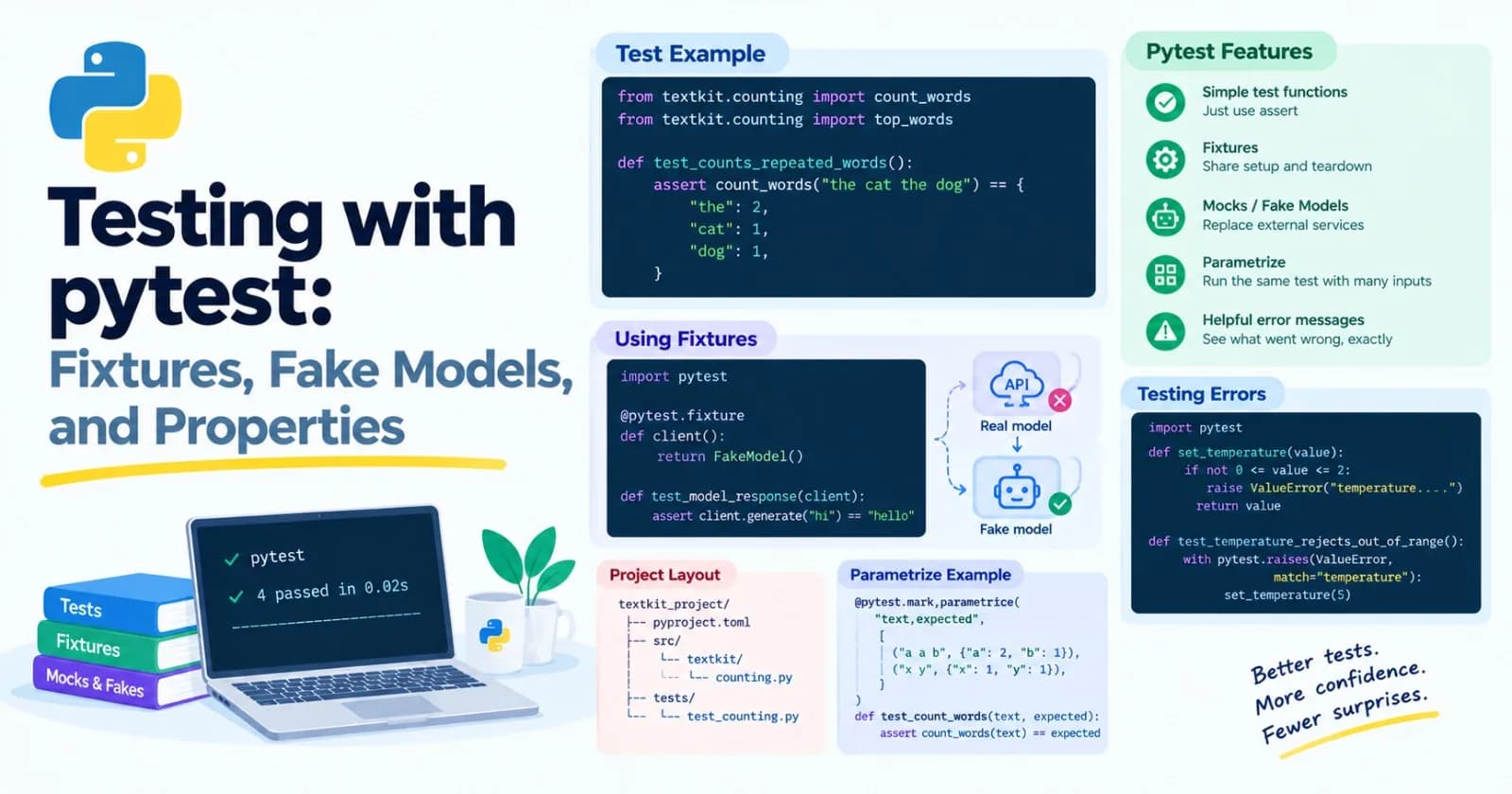
  10. Testing with pytest: fixtures, mocking LLM calls, property-based testing (core)

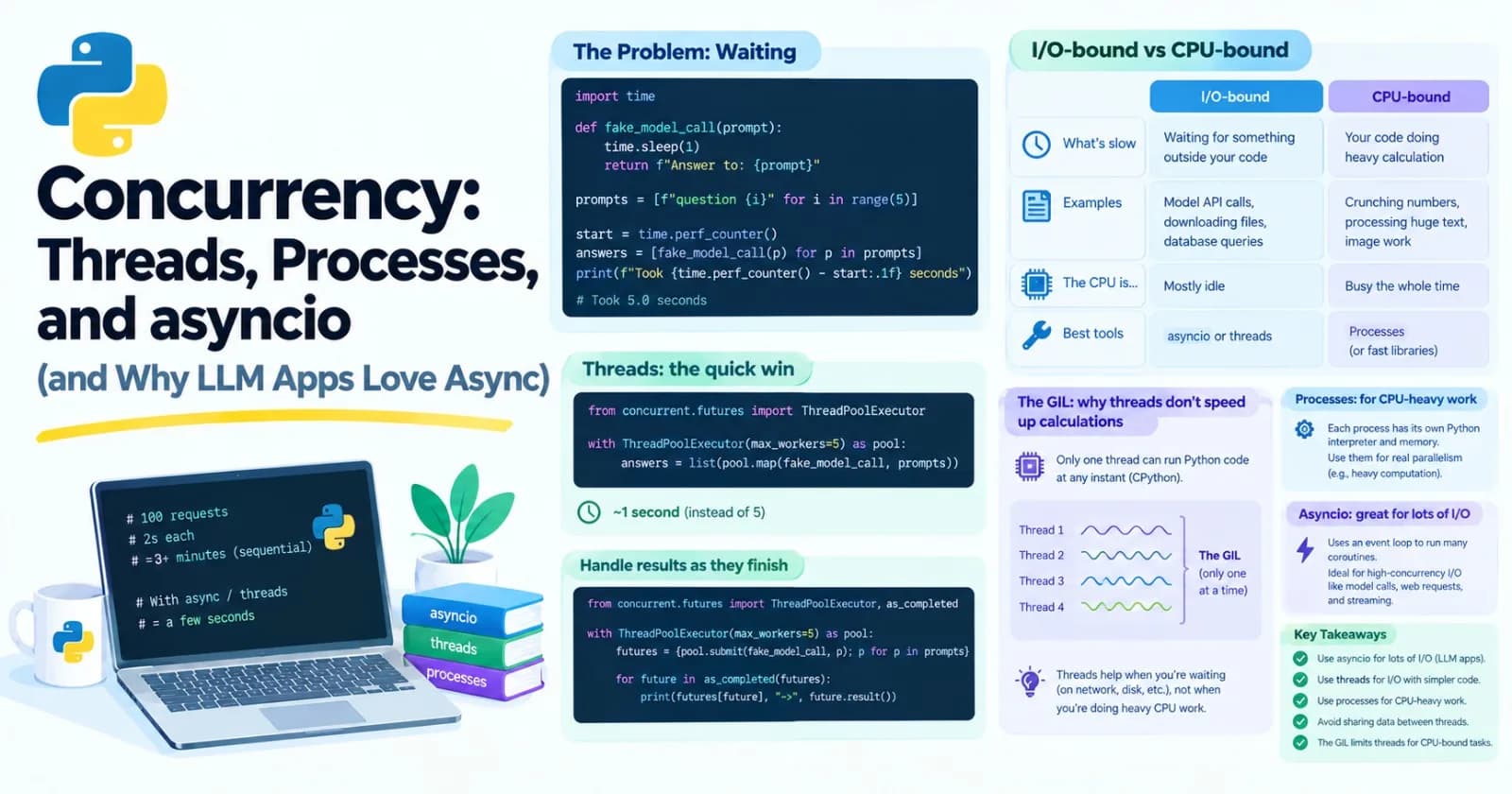
  11. Concurrency: threads vs processes vs asyncio, the GIL, and why LLM apps are async-heavy (core)

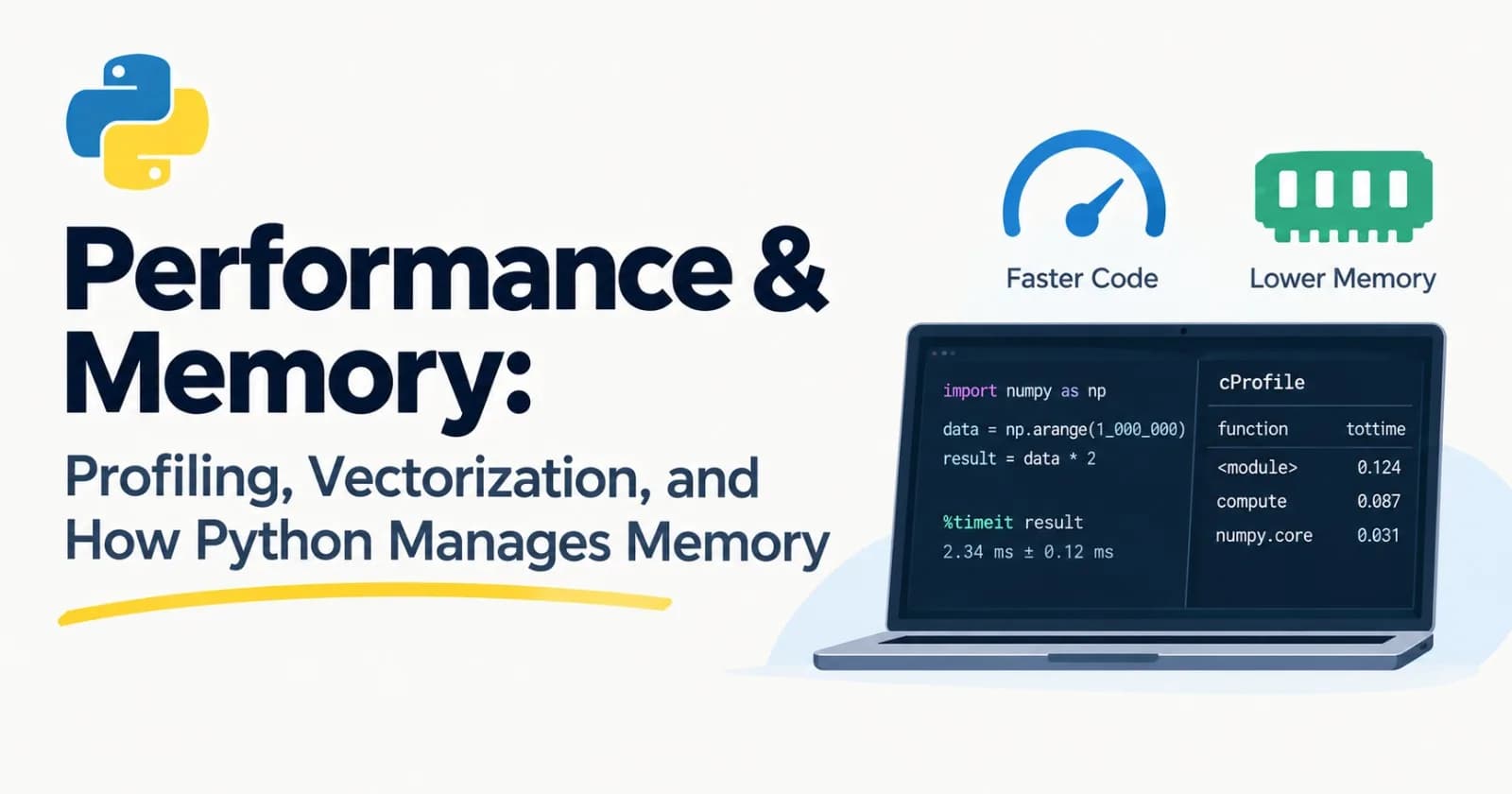
  12. Performance & Memory: profiling, vectorization, how Python manages memory (core)

Track B: Computer Science Fundamentals

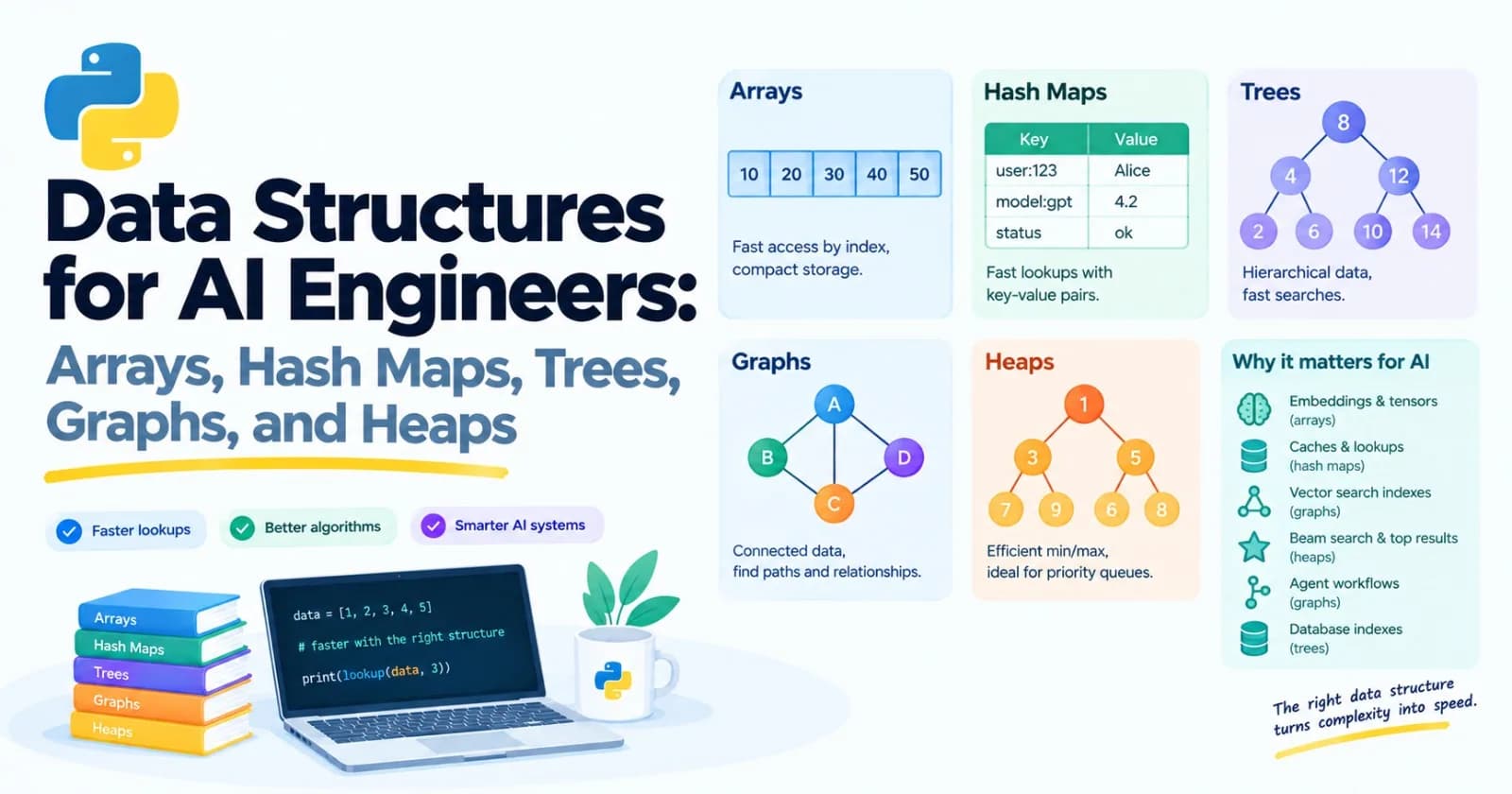
  1. Data Structures for AI Engineers: arrays, hash maps, trees, graphs, heaps (skippable)

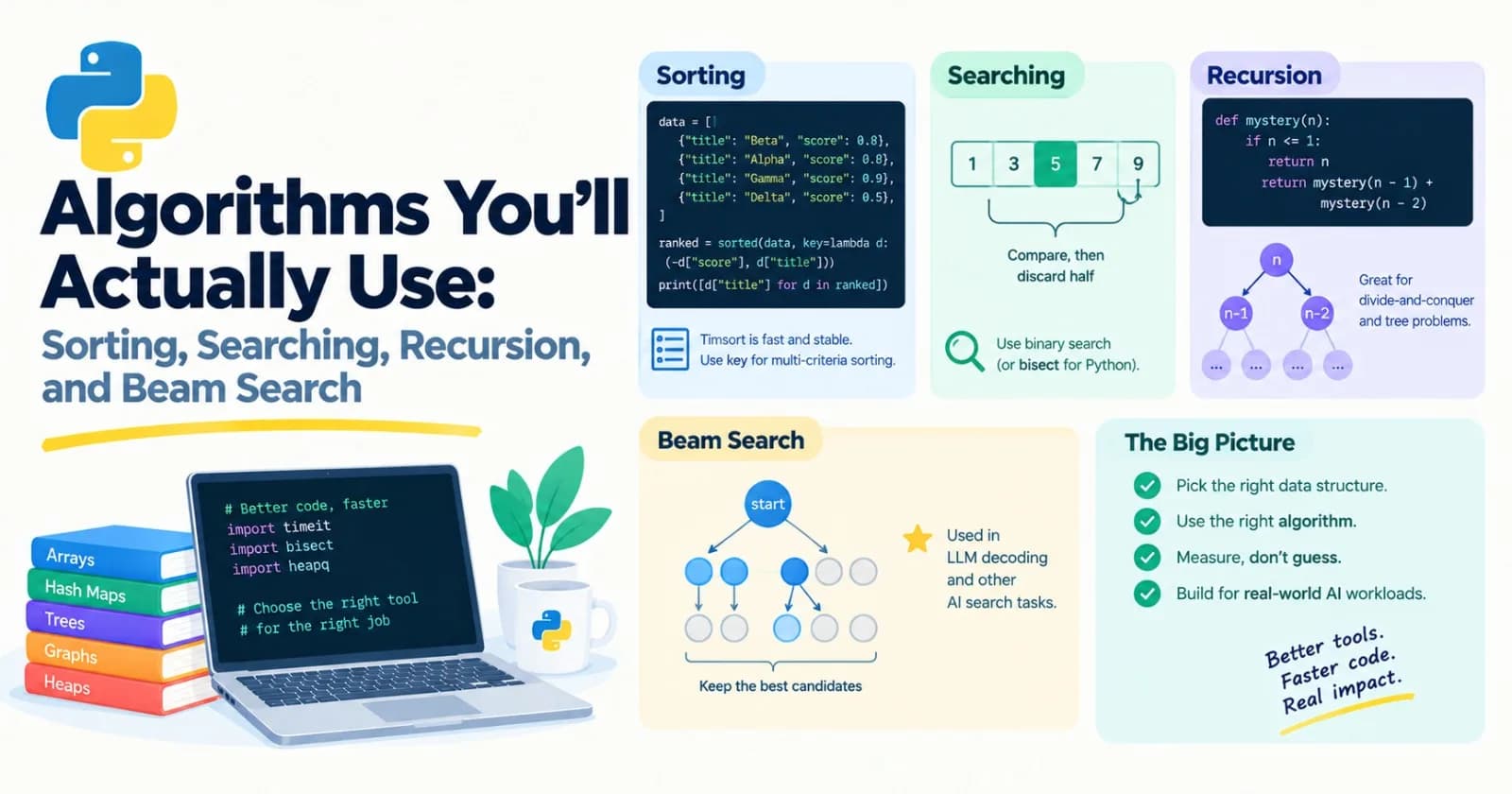
  2. Algorithms You'll Actually Use: sorting, searching, recursion, dynamic programming, top-k, beam search (skippable)

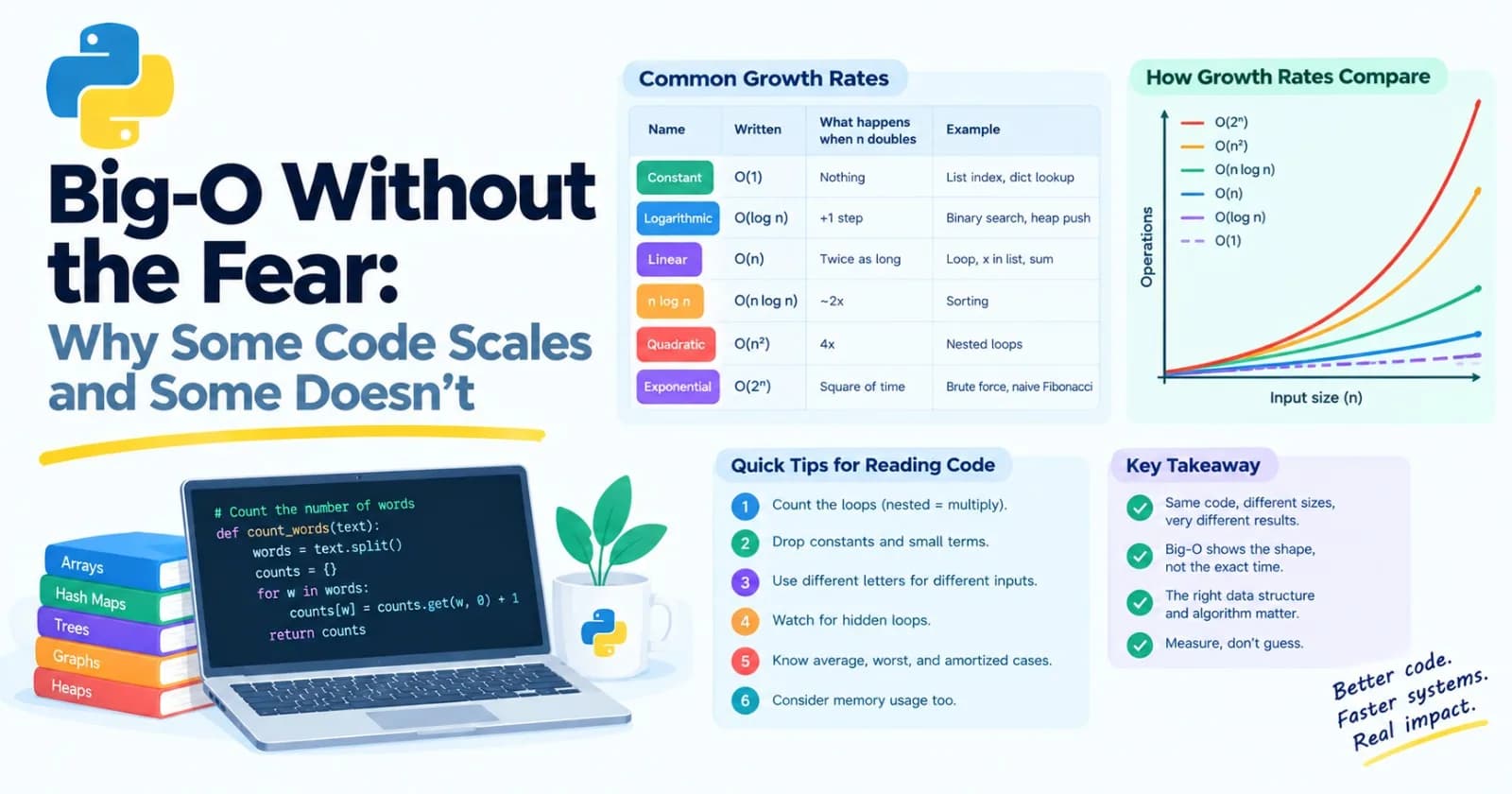
  3. Big-O Without the Fear: why complexity matters for vector search and batching (core)

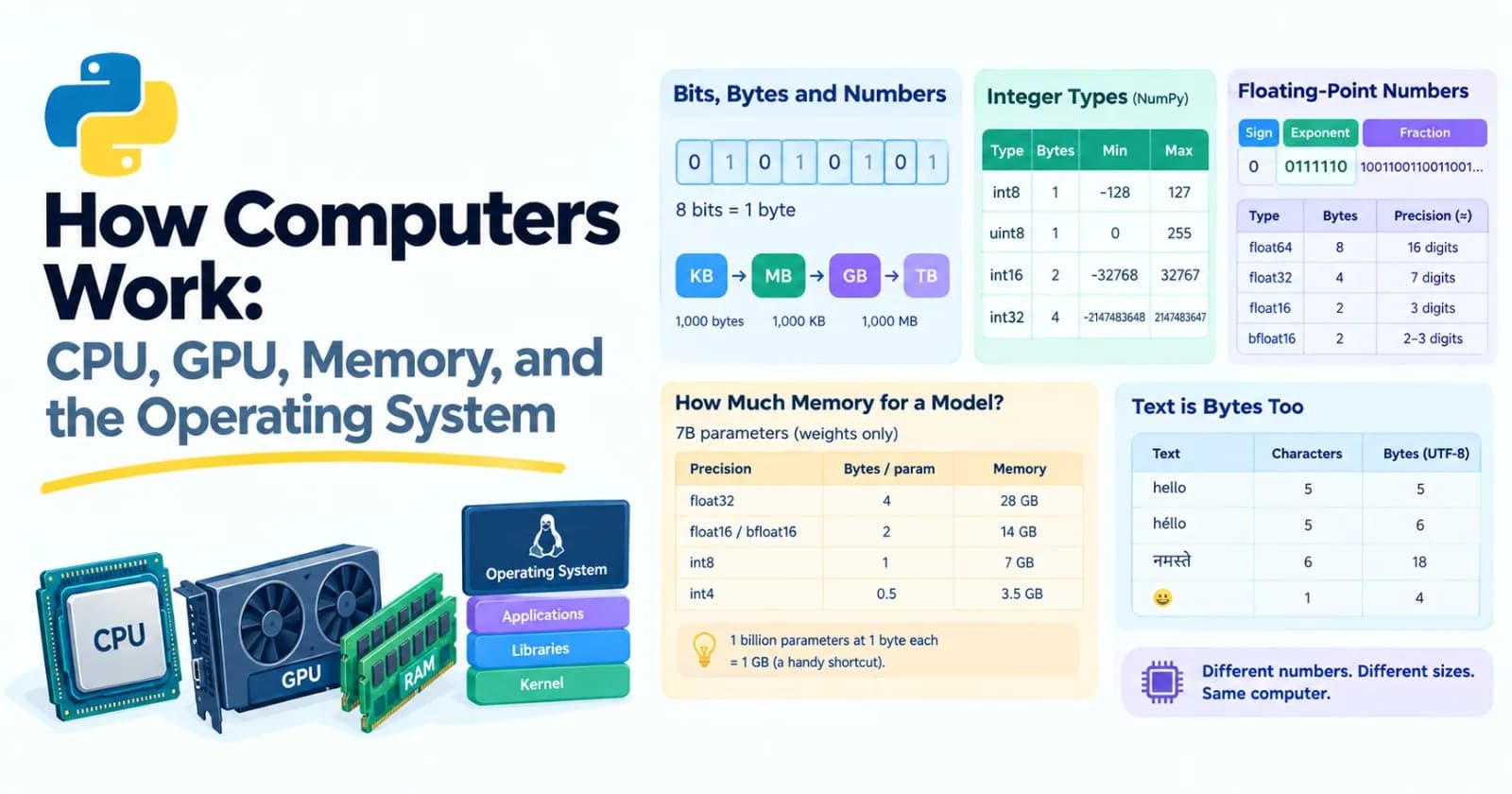
  4. How Computers Work: CPU vs GPU, memory hierarchy, processes, OS basics (core)

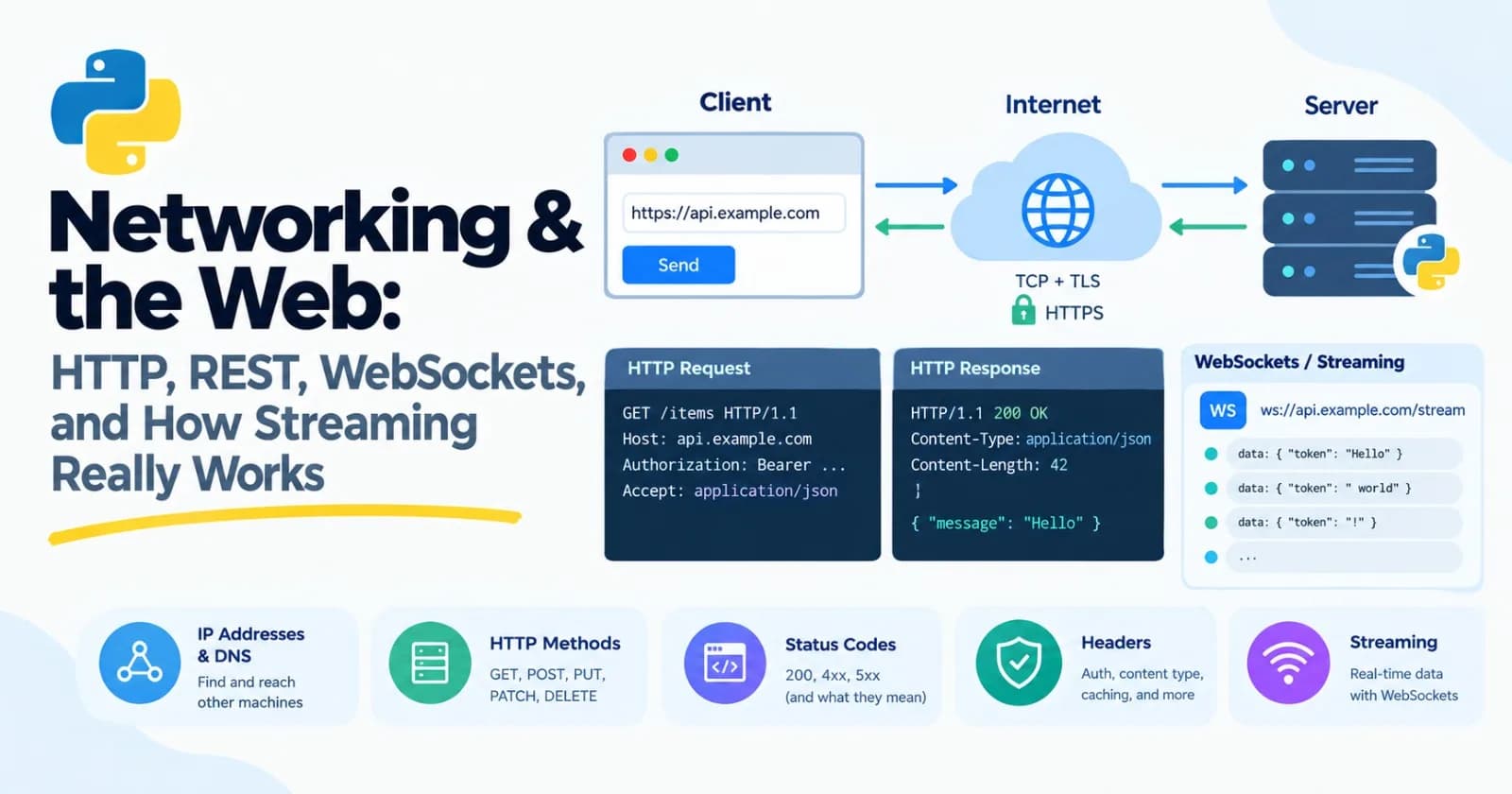
  5. Networking & the Web: HTTP, REST, WebSockets, Server-Sent Events (how streaming works) (core)

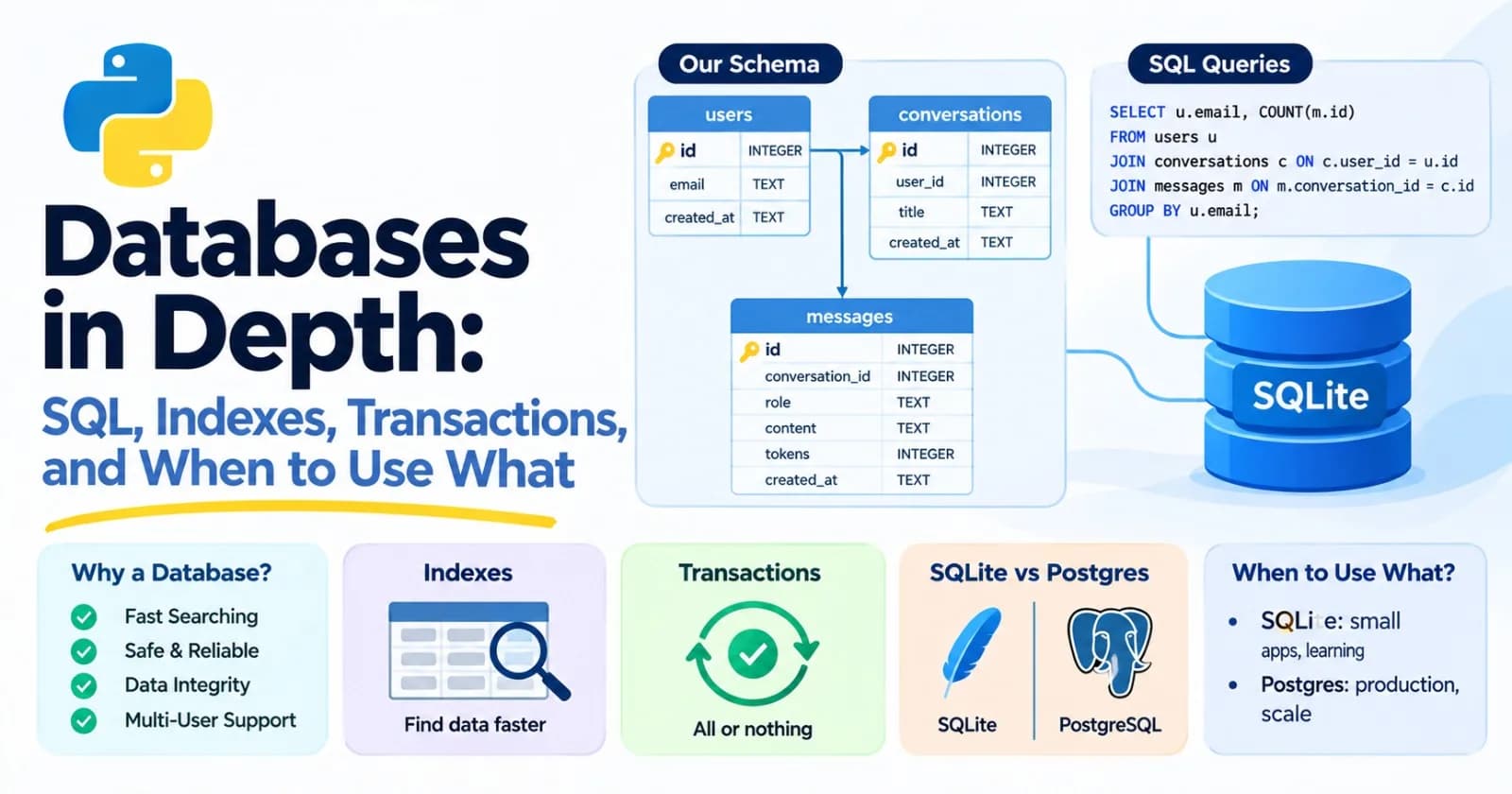
  6. Databases in Depth: SQL, indexes, transactions, Postgres, and when NoSQL makes sense (core)

Track C: Engineering Craft

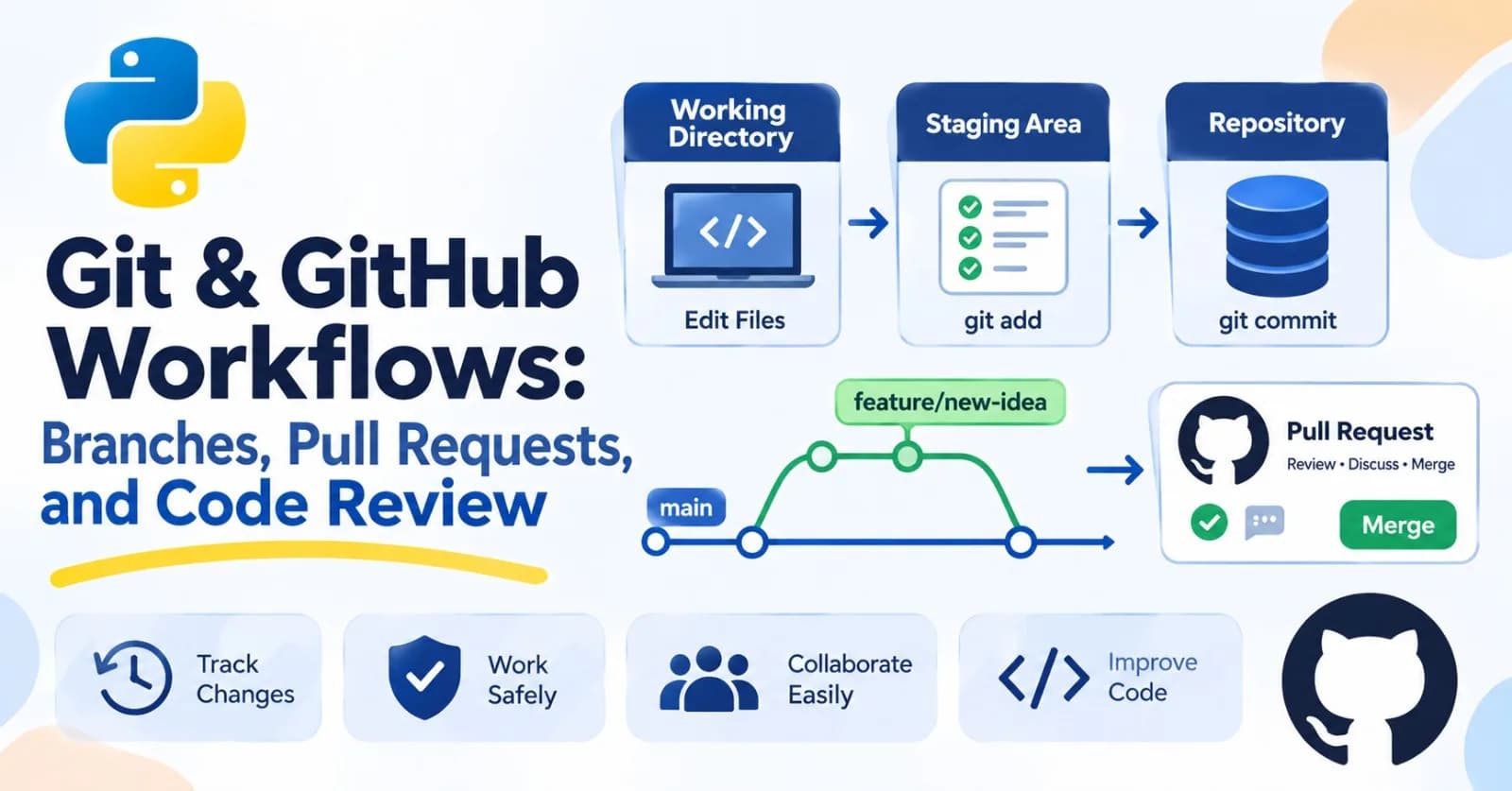
  1. Git & GitHub Workflows: branching, PRs, code review (core)

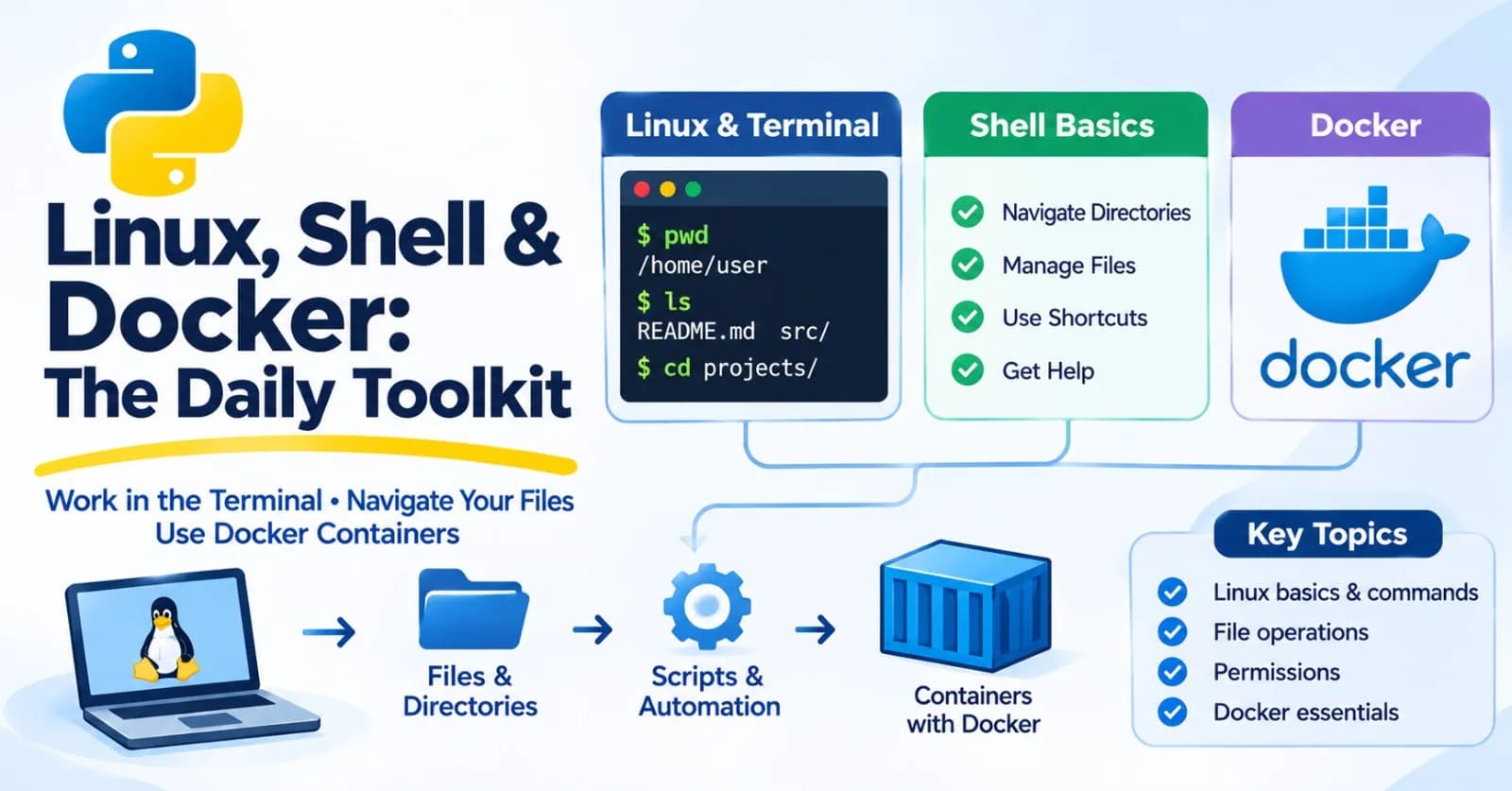
  2. Linux, Shell & Docker: the daily toolkit (core)

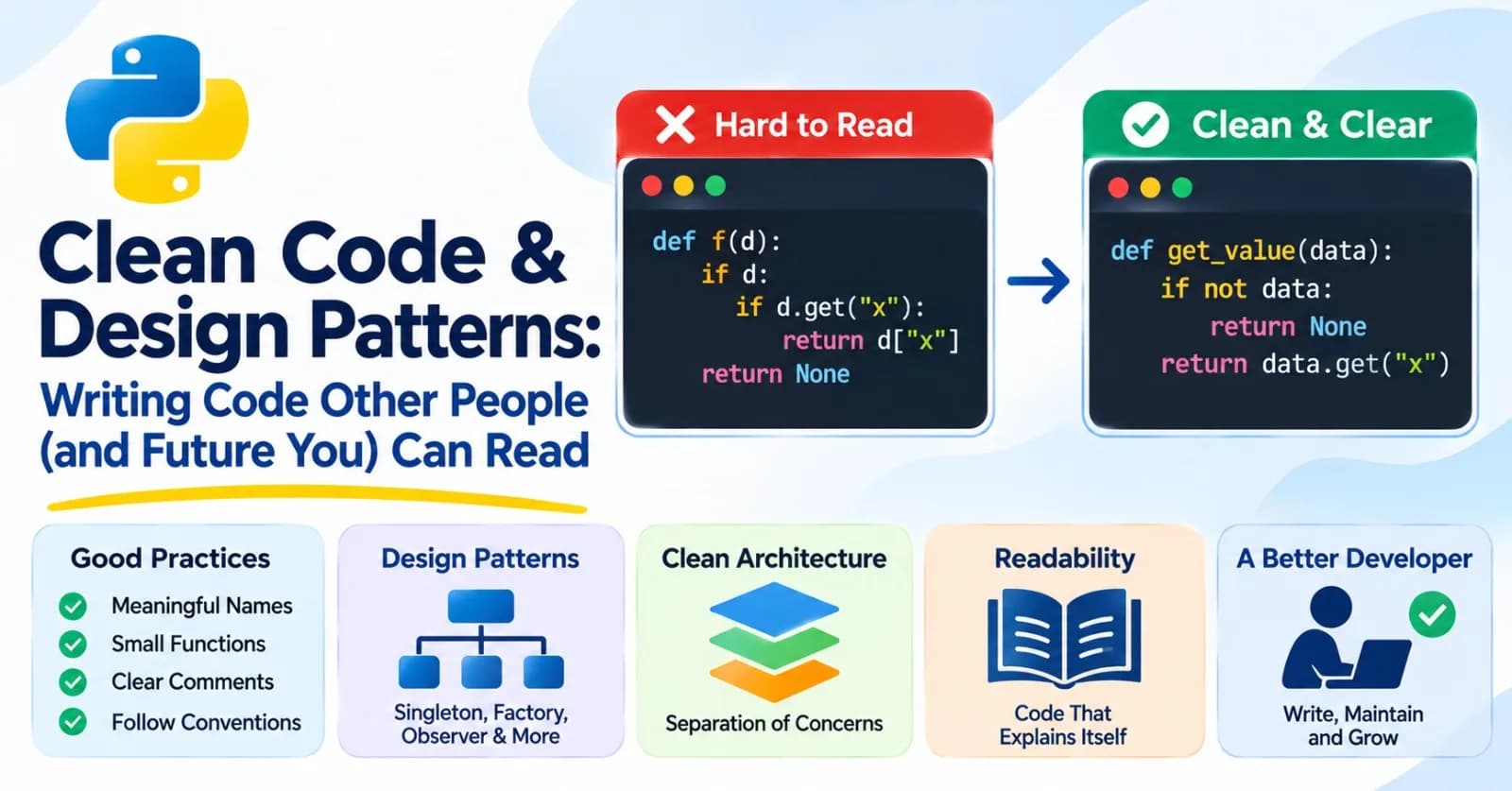
  3. Clean Code & Design Patterns: readability, refactoring, SOLID without the dogma (core)

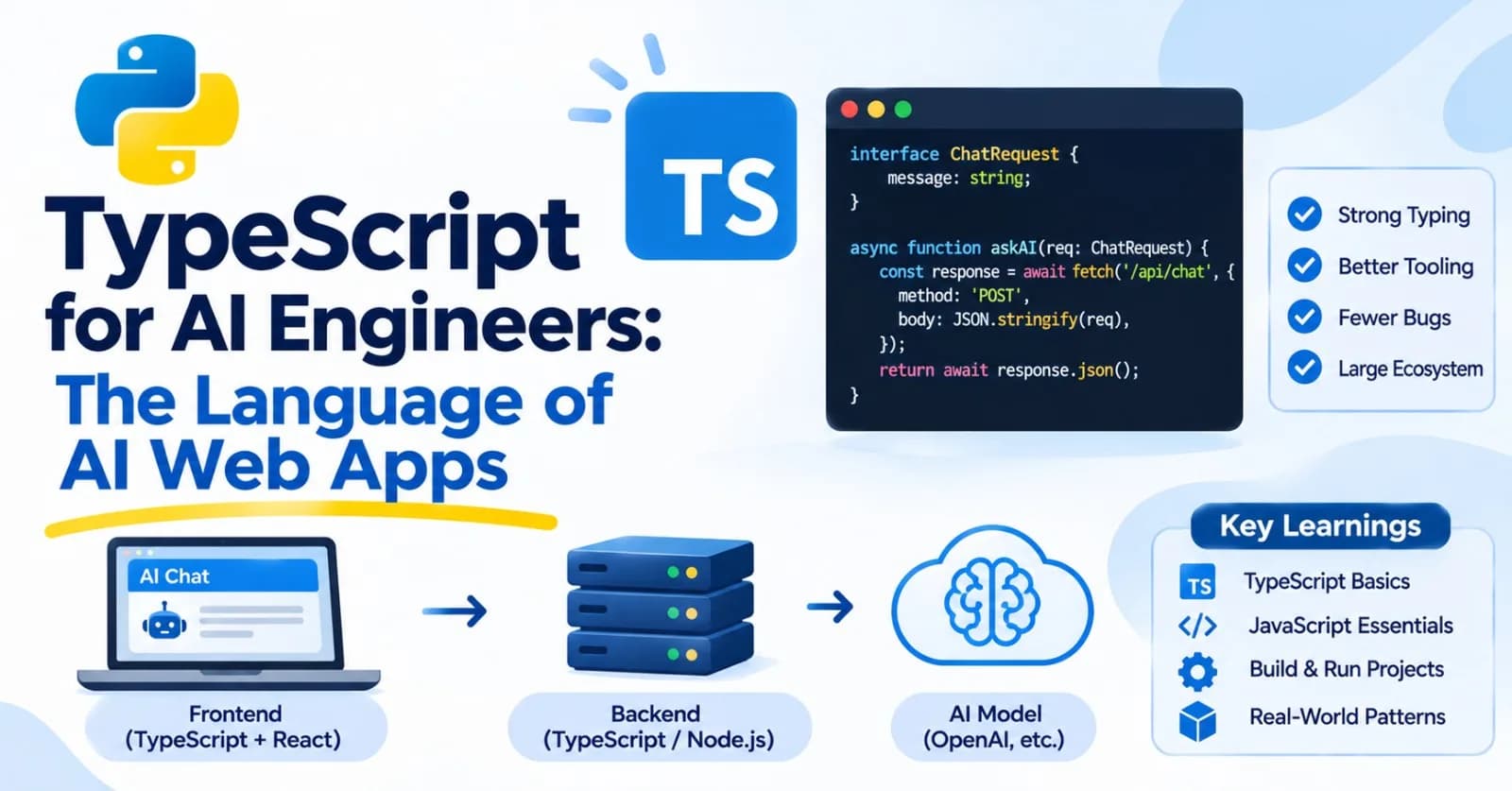
  4. TypeScript for AI Engineers: most AI products have a web frontend, and many agent SDKs are TypeScript-first (core)

  5. Intro to C++/Rust: only what you need to read performance-critical AI code (optional)

Phase 1 Projects

  1. Mini Project 1: a CLI tool, such as a markdown note searcher

  2. Mini Project 2: a REST API with tests, Docker, and CI

  3. Capstone: a small Python library published on PyPI

  4. 30-Day DSA Practice Plan: and an honest take on how much LeetCode you actually need


Phase 2: Math & Data for AI

  1. Linear Algebra with Intuition: vectors, matrices, dot products, and why embeddings work

  2. Calculus & Gradients: derivatives, the chain rule, gradient descent

  3. Probability & Statistics: distributions, Bayes, expectation, and why loss functions look the way they do

  4. NumPy in Depth: broadcasting, vectorization, memory layout

  5. Pandas & Polars: cleaning, joins, group-bys, and when to pick which

  6. EDA & Data Visualization: Matplotlib and plotting that answers questions

  7. Project: an end-to-end data analysis notebook published on GitHub


Phase 3: Machine Learning & Deep Learning

  1. Classical ML in a Weekend: scikit-learn, regression, trees, cross-validation, metrics

  2. Neural Networks from Scratch: backprop in pure NumPy

  3. PyTorch Crash Course: tensors, autograd, training loops

  4. Why Your Model Isn't Learning: a debugging checklist for overfitting, bad data, and learning rates

  5. Project: an image or text classifier, trained and evaluated


Phase 4: Transformers & LLMs Under the Hood

  1. Tokenization Explained: build a BPE tokenizer

  2. Attention, Line by Line: implement self-attention yourself

  3. Build a Mini-GPT from Scratch: a nanoGPT-style walkthrough

  4. How LLMs Are Trained: pretraining, SFT, preference tuning (RLHF/DPO), RL with verifiable rewards

  5. Reasoning Models & Test-Time Compute: what changed and why it matters

  6. KV Cache, Context Windows, and MoE: the concepts behind inference behavior


Phase 5: Building with LLMs (the core of the job)

  1. Your First LLM App: API calls, streaming, structured outputs

  2. From Prompt Engineering to Context Engineering

  3. Tool Use & Function Calling

  4. Embeddings & Vector Search: how they work, not just which database to pick

  5. RAG from Scratch

  6. Advanced RAG: chunking, hybrid search, reranking

  7. Build an Agent Loop Without a Framework

  8. MCP Explained: build your own MCP server

  9. Agent Memory & Multi-Agent Systems: when they help and when they're overkill

  10. Voice & Multimodal Apps: vision, speech, real-time

  11. Project: a deployed RAG or agent app with a public demo


Phase 6: Evaluation, Safety & Reliability

  1. Evals: The Most Underrated AI Engineering Skill: build a test set, track regressions

  2. LLM-as-Judge: where it works, where it lies

  3. Observability & Tracing for AI Apps

  4. Prompt Injection & Security: guardrails, sandboxing, least-privilege agents


Phase 7: Customizing Models

  1. Prompt vs RAG vs Fine-Tune: a decision framework

  2. Fine-Tune an Open Model with LoRA/QLoRA (hands-on)

  3. Synthetic Data & Distillation: getting small models to punch above their weight

  4. Intro to RL Fine-Tuning for Reasoning and Agents


Phase 8: Production & Scale

  1. Shipping LLM Apps: FastAPI, queues, caching, rate limits, cost control

  2. Inference Optimization: quantization, batching, vLLM, speculative decoding

  3. GPU & CUDA Basics for AI Engineers: what to know without becoming a kernel engineer

  4. Cloud, Kubernetes & CI/CD for AI: versioning prompts, models, and evals


Phase 9: Career & Becoming Top-Tier

  1. 10 Portfolio Projects That Actually Get You Hired

  2. Resume, GitHub & LinkedIn for AI Engineers

  3. AI Engineering Interviews: coding, ML fundamentals, and AI system design

  4. How to Read Research Papers and reproduce one

  5. Contributing to Open Source: your first PR to an AI library

  6. Choosing a Specialization: agents, evals, inference infra, applied research, AI safety

  7. Junior to Senior to Staff: tradeoff thinking, product sense, and owning ambiguity

  8. Staying Current Without Burning Out: a sustainable weekly learning routine


Reading Paths

(for post 2)

Reader

Path

Complete beginner

Posts 1 to 79, in order

Can already code

Posts 1 to 3, skim 10, 13, and 14, then jump to 31

Already knows ML

Posts 1 to 3, skim 11 and 14, then jump to 43 or 49


Extras

  • Standalone bonus posts: "AI Engineer Salary & Job Market Report," "Best Free Resources Ranked," "Mistakes I Made Learning AI," "Open vs Closed Models: How to Choose."

  • Post template: the problem, the concept, the code, a mini-project, and a "next in series" link. This helps SEO and keeps readers moving.

  • Freshness: teach concepts first, and keep tool-specific posts (49 to 56, 68, 69) clearly dated and easy to update, since tools and model names change every few months.

Articles in this Series

28 articles · curriculum order

Part 1

What Is an AI Engineer in 2026?

Everyone seems to define the AI engineer job differently. This post explains what the role really involves, how it compares to ML engineer, data scientist, and research scientist roles, and what skills you need to start, using a simple restaurant comparison.

Pradeep KumarPradeep Kumar
Oct 95 min read
What Is an AI Engineer in 2026?
Part 2

The 12-Month Roadmap: Zero to AI Engineer

Here’s the full 12-month plan for the series: what to learn each month, a weekly study rhythm that fits about 9 hours, checkpoints to measure progress, and the best starting point whether you’re a complete beginner or already know some code or ML.

Pradeep KumarPradeep Kumar
Oct 105 min read
The 12-Month Roadmap: Zero to AI Engineer
Part 3

How to Learn AI Faster (Without Getting Stuck in Tutorial Hell)

Watching courses feels like progress, but it often isn’t. Learn how to stop getting stuck in tutorial hell, use AI as a tutor without letting it do your homework, build in public, and review in a way that makes things stick, with a simple task to start today.

Pradeep KumarPradeep Kumar
Oct 115 min read
How to Learn AI Faster (Without Getting Stuck in Tutorial Hell)
Part 4

Python Fundamentals: The Basics You Need Before Anything Else

New to Python? This post covers the basics you need for AI work: variables, data types, strings, if statements, loops, and functions. You’ll see how Python runs your code, then build a small tool that estimates the tokens and cost of any text.

Pradeep KumarPradeep Kumar
Oct 127 min read
Python Fundamentals: The Basics You Need Before Anything Else
Part 5

Built-in Data Structures: Lists, Dicts, Sets, and Tuples

Lists, dictionaries, tuples, and sets cover most of what you’ll store in Python. This post shows what each one is for, how to pick the right one, why a set can beat a list by thousands of times, and ends with a small word counter project.

Pradeep KumarPradeep Kumar
Oct 137 min read
Built-in Data Structures: Lists, Dicts, Sets, and Tuples
Part 6

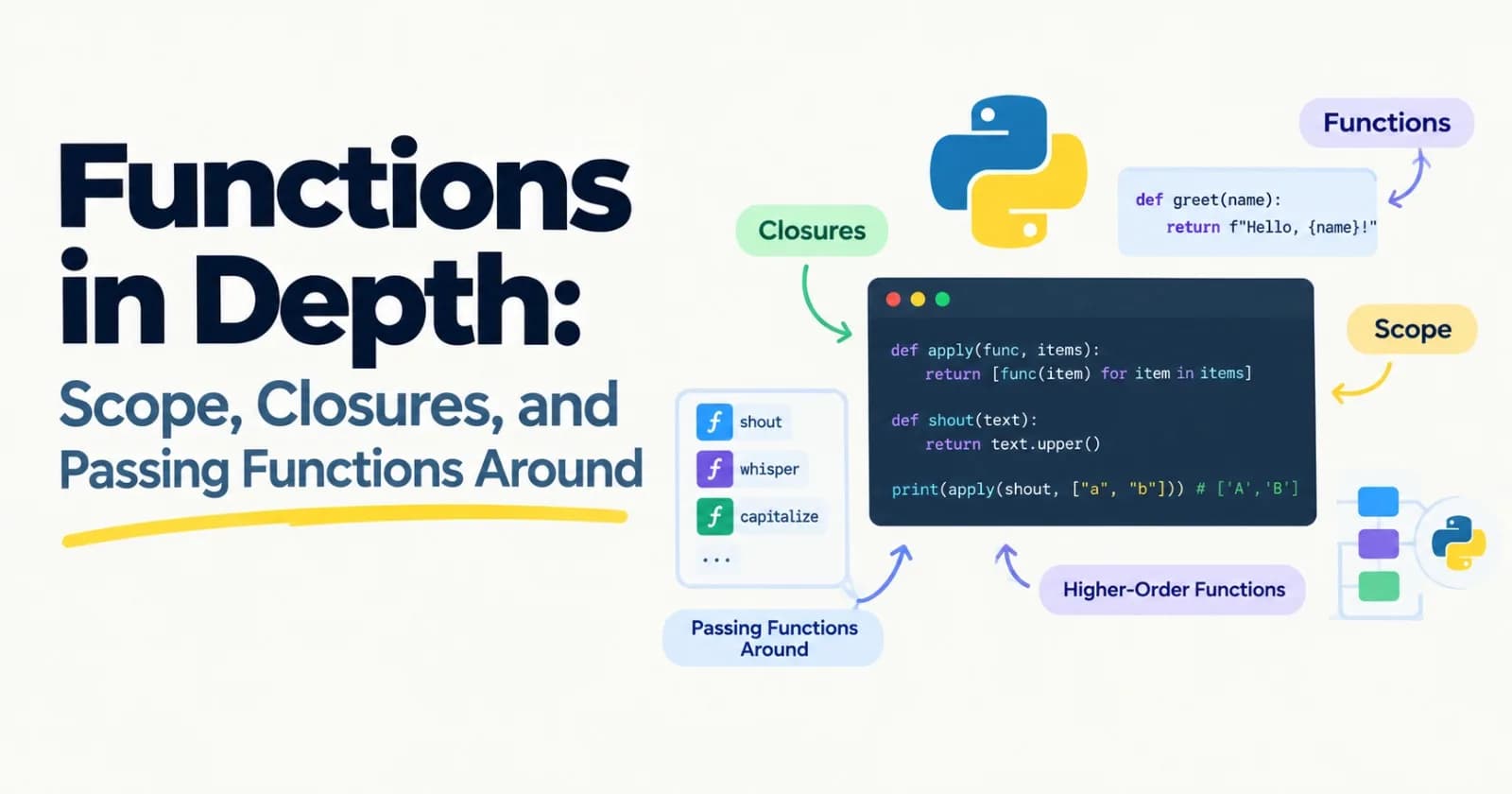
Functions in Depth: Scope, Closures, and Passing Functions Around

Functions are more powerful than they look. Learn how scope works, why default lists cause bugs, how lambdas and closures work, and how functions can be passed around like any value, then build a reusable retry helper for flaky API calls.

Pradeep KumarPradeep Kumar
Oct 147 min read
Functions in Depth: Scope, Closures, and Passing Functions Around
Part 7

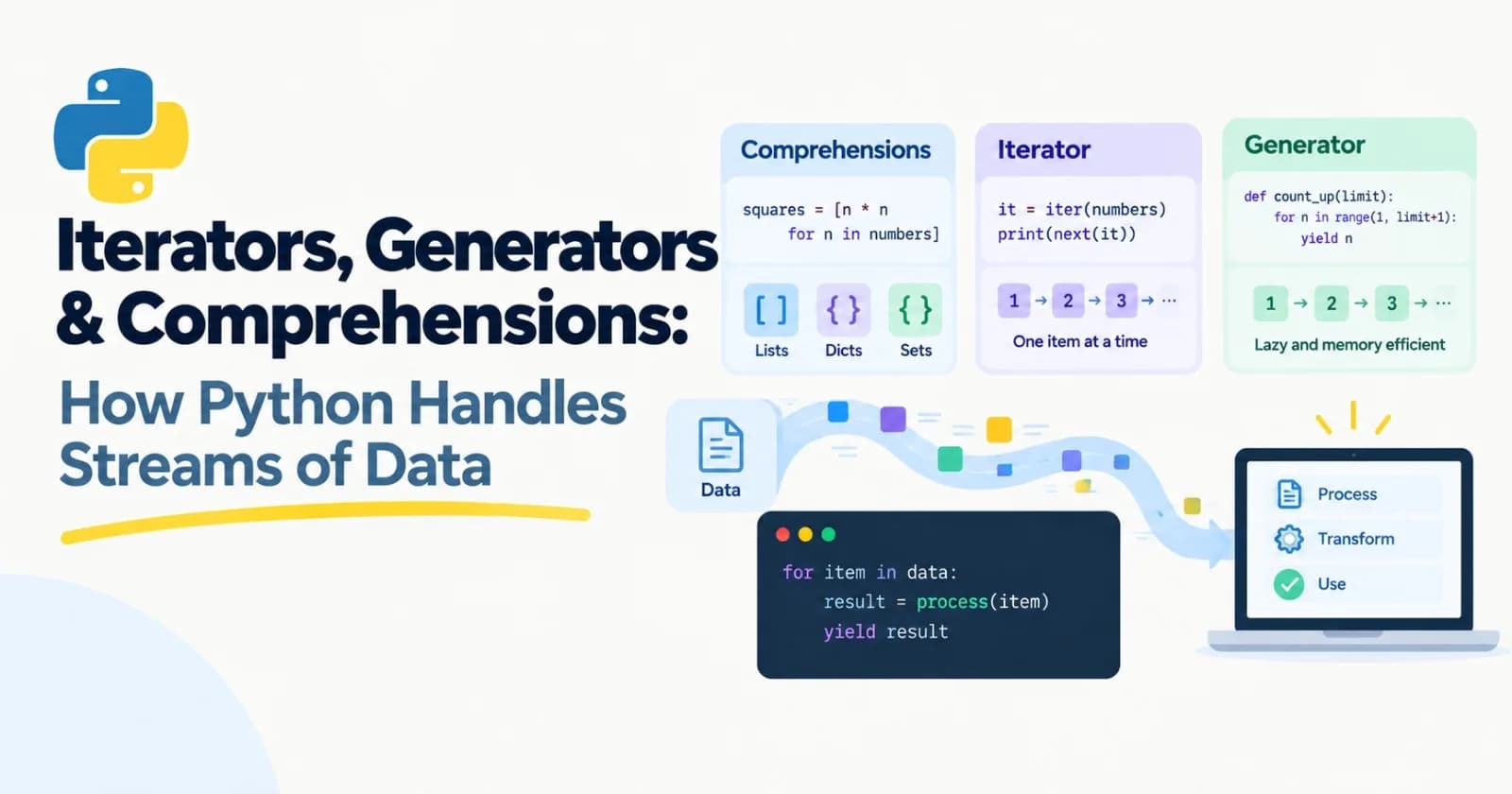
Iterators, Generators & Comprehensions: How Python Handles Streams of Data

Functions are more powerful than they look. Learn how scope works, why default lists cause bugs, how lambdas and closures work, and how functions can be passed around like any value, then build a reusable retry helper for flaky API calls.

Pradeep KumarPradeep Kumar
Oct 158 min read
Iterators, Generators & Comprehensions: How Python Handles Streams of Data
Part 8

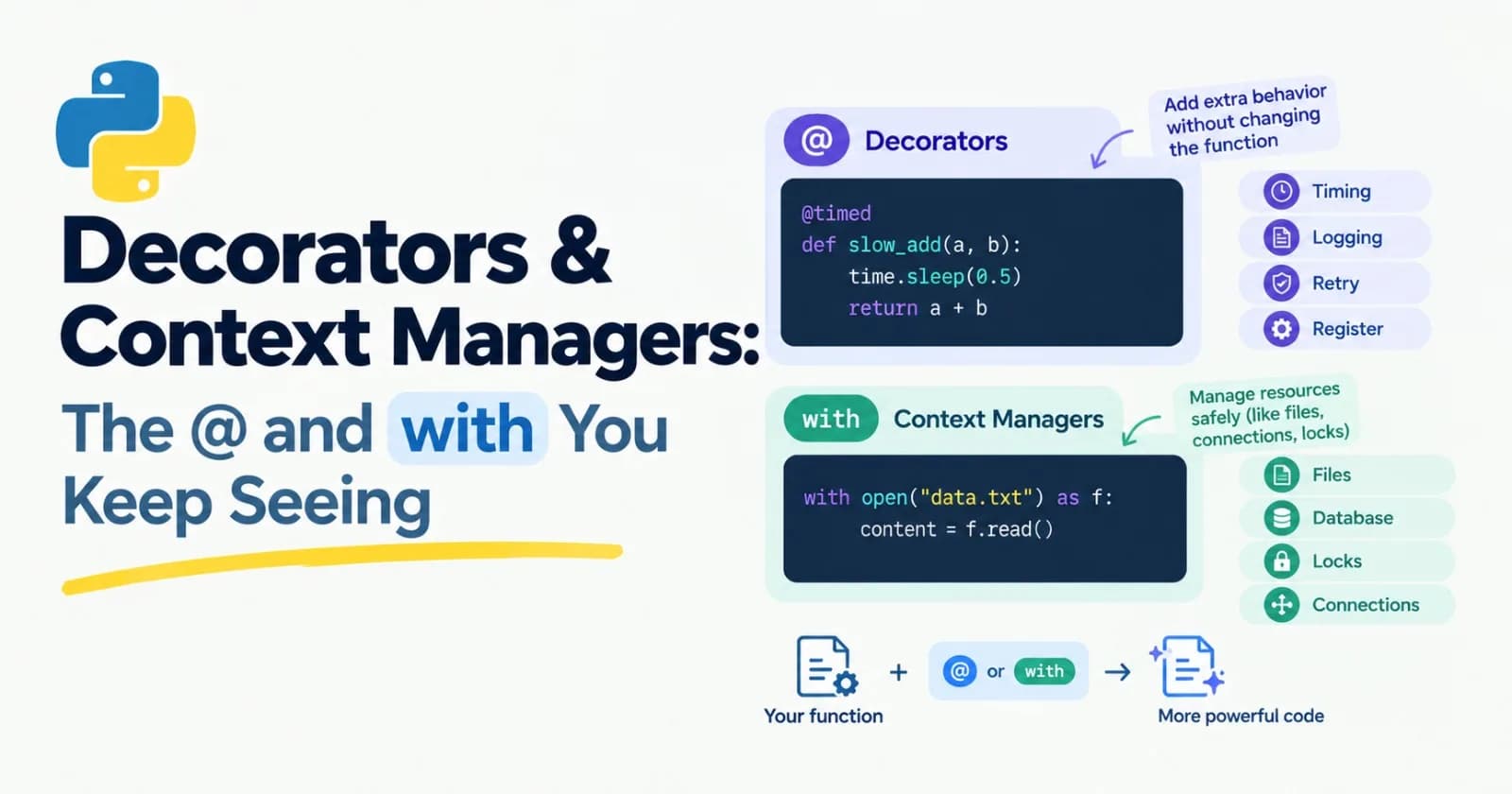
Decorators & Context Managers: The @ and with You Keep Seeing

Decorators and context managers look like magic until you build one. This post explains the @ symbol and the with statement step by step, shows how tool registries and timing helpers work, and ends with a small toolkit that times and retries a fake model call.

Pradeep KumarPradeep Kumar
Oct 167 min read
Decorators & Context Managers: The @ and with You Keep Seeing
Part 9

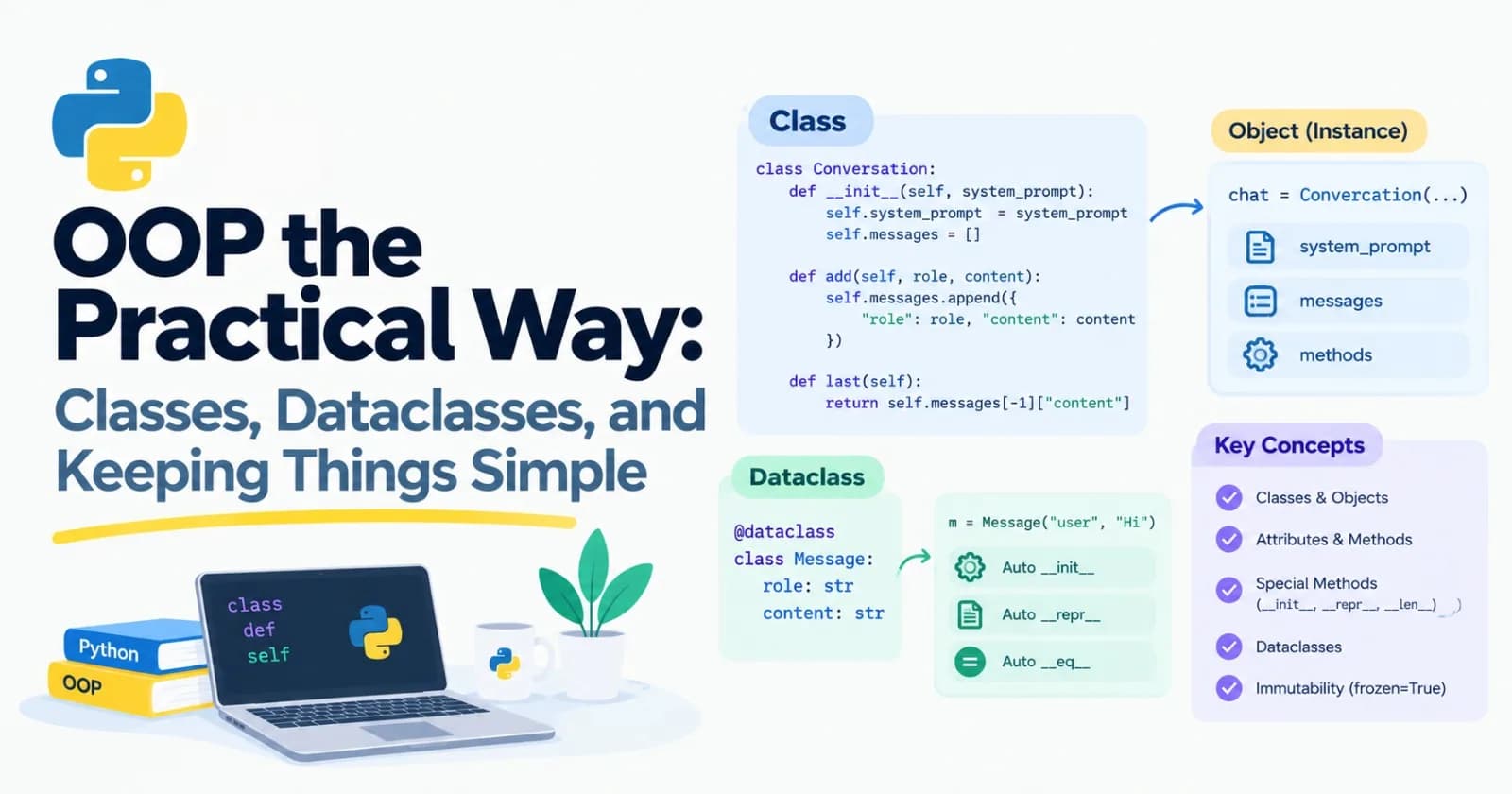
OOP the Practical Way: Classes, Dataclasses, and Keeping Things Simple

You don’t need heavy theory to use classes well. This post covers the practical parts of object-oriented Python: classes, dataclasses, properties, inheritance, composition, and protocols, and ends with a small chatbot whose model you can swap without rewriting anything.

Pradeep KumarPradeep Kumar
Oct 178 min read
OOP the Practical Way: Classes, Dataclasses, and Keeping Things Simple
Part 10

Type Hints & Pydantic: Making Your Code and Your Data Check Themselves

Type hints help your editor and your teammates, but Python ignores them at runtime. This post explains the hints you’ll use most, then introduces Pydantic, the library that checks data for real and powers structured outputs from language models.

Pradeep KumarPradeep Kumar
Oct 188 min read
Type Hints & Pydantic: Making Your Code and Your Data Check Themselves
Part 11

Errors, Logging & Debugging: What to Do When Things Break

Every program breaks. This post shows how to read a traceback, handle the failures you can predict, retry only the ones worth retrying, use logging instead of print, and debug with pdb, then builds a resilient fake model call that fails gracefully.

Pradeep KumarPradeep Kumar
Oct 1910 min read
Errors, Logging & Debugging: What to Do When Things Break
Part 12

Packaging & Environments: Modules, Virtual Environments, and pyproject.toml

Tired of “it works on my machine”? This post explains modules, packages, virtual environments, uv, and pyproject.toml in plain language, plus how to keep API keys safe, then turns a word counter into a package with its own command.

Pradeep KumarPradeep Kumar
Oct 2110 min read
Packaging & Environments: Modules, Virtual Environments, and pyproject.toml
Part 13

Testing with pytest: Fixtures, Fake Models, and Properties

How do you test code that depends on an unpredictable AI model? This post covers pytest from the first test to fixtures and parametrize, shows how to use fake models and mocks, and introduces property-based testing, then builds a full test suite for a small package.

Pradeep KumarPradeep Kumar
Oct 2212 min read
Testing with pytest: Fixtures, Fake Models, and Properties
Part 14

Concurrency: Threads, Processes, and asyncio (and Why LLM Apps Love Async)

Calling a model 100 times one by one is painfully slow. This post explains I/O-bound versus CPU-bound work, the GIL, threads, processes, and asyncio in plain language, then builds an async batch caller with limits, timeouts, and retries.

Pradeep KumarPradeep Kumar
Oct 2412 min read
Concurrency: Threads, Processes, and asyncio (and Why LLM Apps Love Async)
Part 15

Performance & Memory: Profiling, Vectorization, and How Python Manages Memory

Slow code is rarely where you think it is. This post teaches timing, profiling with cProfile, vectorization with NumPy, and how Python manages memory, then speeds up a small embedding search by about a hundred times while checking the answers stay the same.

Pradeep KumarPradeep Kumar
Oct 2512 min read
Performance & Memory: Profiling, Vectorization, and How Python Manages Memory
Part 16

Data Structures for AI Engineers: Arrays, Hash Maps, Trees, Graphs, and Heaps

You don’t need to implement red-black trees to work in AI, but you do need the right mental toolbox. This post covers the data structures behind caches, search, and pipelines, then builds a prompt autocomplete from a trie, a stack, and a heap.

Pradeep KumarPradeep Kumar
Oct 2615 min read
Data Structures for AI Engineers: Arrays, Hash Maps, Trees, Graphs, and Heaps
Part 17

Algorithms You'll Actually Use: Sorting, Searching, Recursion, and Beam Search

You won’t invent new algorithms as an AI engineer, but you will use them every week. This post covers sorting, binary search, recursion, dynamic programming, sliding windows, and beam search, then builds a “did you mean?” helper for agent tool calls.

Pradeep KumarPradeep Kumar
Oct 2714 min read
Algorithms You'll Actually Use: Sorting, Searching, Recursion, and Beam Search
Part 18

Big-O Without the Fear: Why Some Code Scales and Some Doesn't

Big-O sounds like scary math, but it’s really about how code slows down as data grows. This post covers the common growth rates in plain language, shows how to measure them yourself, and applies them to vector search, attention, chat history, and batching.

Pradeep KumarPradeep Kumar
Oct 2812 min read
Big-O Without the Fear: Why Some Code Scales and Some Doesn't
Part 19

How Computers Work: CPU, GPU, Memory, and the Operating System

Why does a 7B model need 14 GB, and why does your program sometimes just say Killed? This post explains bits, floating point, the memory hierarchy, CPUs versus GPUs, and the operating system, then builds a calculator that tells you if a model will fit.

Pradeep KumarPradeep Kumar
Oct 2916 min read
How Computers Work: CPU, GPU, Memory, and the Operating System
Part 20

Networking & the Web: HTTP, REST, WebSockets, and How Streaming Really Works

Every call to an AI model is an HTTP request, and every streamed reply is a chunked response. This post explains HTTP, status codes, retries, REST, Server-Sent Events, and WebSockets, then builds a local API with a streaming endpoint you can watch with curl.

Pradeep KumarPradeep Kumar
Oct 3018 min read
Networking & the Web: HTTP, REST, WebSockets, and How Streaming Really Works
Part 21

Databases in Depth: SQL, Indexes, Transactions, and When to Use What

A real AI app has to remember users, conversations, and token costs. This post teaches SQL, joins, indexes, transactions, and SQL injection safety using SQLite, covers Postgres and NoSQL, then builds a small chat log database with all-or-nothing saves.

Pradeep KumarPradeep Kumar
Oct 3121 min read
Databases in Depth: SQL, Indexes, Transactions, and When to Use What
Part 22

Git & GitHub Workflows: Branches, Pull Requests, and Code Review

Git makes breaking things safe. This post explains commits, branches, merge conflicts, and how to undo almost anything, then covers GitHub pull requests, code review, and Git habits for AI projects, finishing with a hands-on project that puts your learning journey online.

Pradeep KumarPradeep Kumar
Nov 121 min read
Git & GitHub Workflows: Branches, Pull Requests, and Code Review
Part 23

Linux, Shell & Docker: The Daily Toolkit

Most AI work happens in a terminal on Linux, often inside containers. This post covers navigating, searching logs, permissions, processes, shell scripts, SSH, and Docker, including the three gotchas that trip everyone up, then containerizes the API from Post 20.

Pradeep KumarPradeep Kumar
Nov 223 min read
Linux, Shell & Docker: The Daily Toolkit
Part 24

Clean Code & Design Patterns: Writing Code Other People (and Future You) Can Read

Clean code is about the reader, not cleverness. This post covers naming, guard clauses, pure functions, refactoring with a safety net, SOLID in plain English, and patterns like strategy, adapter, and wrappers, then builds a provider-agnostic summarizer.

Pradeep KumarPradeep Kumar
Nov 321 min read
Clean Code & Design Patterns: Writing Code Other People (and Future You) Can Read
Part 25

TypeScript for AI Engineers: The Language of AI Web Apps

Most AI products need a web front end, and that means TypeScript. This post teaches it to Python programmers: the JavaScript gotchas, the type system, Zod, fetch and streaming, then builds a fully typed, tested client for the API from Post 20.

Pradeep KumarPradeep Kumar
Nov 622 min read
TypeScript for AI Engineers: The Language of AI Web Apps

Actions

Overview

Total Articles28
CreatedOct 2026
Last UpdatedOct 2026

Contributors on this page

Pradeep Kumar
Pradeep Kumar
@pradeep